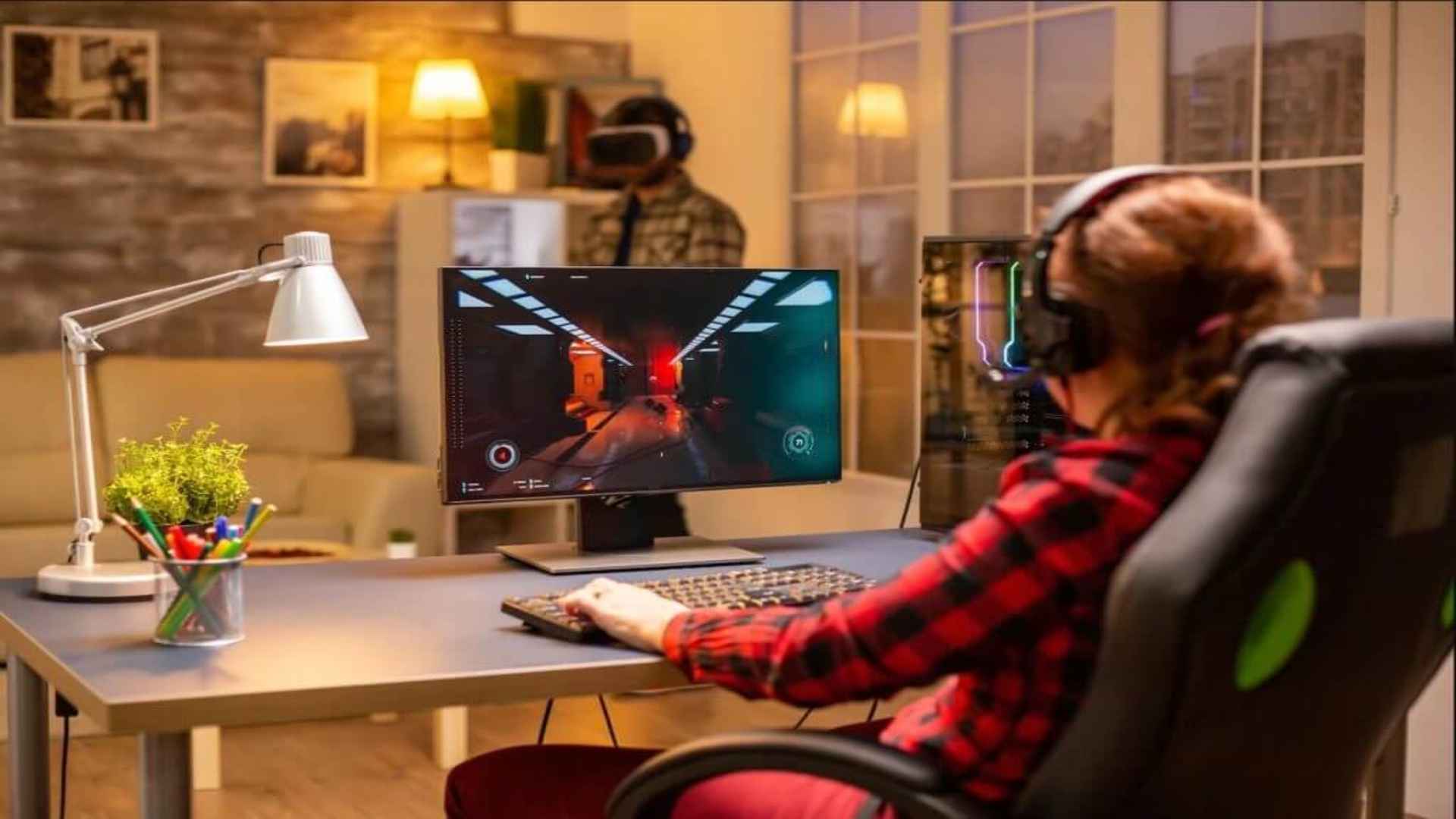
In recent years, the entertainment landscape has experienced a dramatic shift as people look for more engaging ways to connect with others. While digital gaming options continue to expand, modern table games have carved out a massive niche by offering tactical depth and tangible interactions. This revival highlights a universal desire to balance screen-based activities with face-to-face social experiences.
The Evolution of Modern Tabletop Mechanics
Unlike the simplistic board games of the past, contemporary tabletop experiences feature highly sophisticated mechanics and immersive themes. Game designers now focus on reducing pure luck and maximizing strategic choices to ensure that players remain fully in control of their outcomes. This shift has elevated the hobby from basic children's entertainment into a respected medium for mature audiences.
Furthermore, the integration of high-quality physical components has dramatically enhanced the sensory appeal of these activities. From detailed miniature figures to beautifully illustrated cards, the tactile elements draw players deeper into the competitive environment. This attention to detail has made the physical setup of each session a major part of the overall appeal.
How Hybrid Innovations Bridge the Gap
To keep pace with our increasingly connected lifestyle, many modern table setups have started incorporating digital elements. Companion mobile apps now handle complex rules, manage background music, and track player progression in real time. This unique blend of traditional cardboard and digital convenience makes the gaming hobby far more accessible to newcomers.
These innovative platforms have made it easier than ever to enjoy strategy and athletic updates from the comfort of your home. If you want to follow the latest shifts in competitive virtual formats, checking a dedicated platform like Msports can keep you well-informed. Combining these digital networks with traditional gathering methods represents the true future of modern group entertainment.
The Social and Cognitive Benefits of Playing
Regularly gathering around a physical table provides an array of mental benefits that are hard to replicate in isolated digital settings. Navigating complex negotiations, predicting opponents' moves, and managing resources actively sharpens critical thinking and decision-making skills. The dynamic nature of face-to-face competition keeps players mentally agile throughout the session.
More importantly, these structured activities help individuals build stronger bonds with family members and close friends. Sharing a physical space allows players to read body language, share genuine laughter, and experience the suspense of every turn together. By focusing on mutual goals and friendly competition, table games continue to serve as a perfect bridge for meaningful human connection.